推荐六个高效操作方法的英文作文
The pursuit of effective operational methodologies isn’t simply about implementing a checklist; it's a deeply iterative process of understanding, adaptation, and continuous refinement. Selecting the "right" approach hinges on a granular assessment of context – organizational culture, project complexity, team dynamics, and, critically, the specific goals being pursued. Therefore, advocating for just *six* methods requires a careful prioritization, acknowledging that a truly robust operational framework might draw upon significantly more. However, these six represent a solid foundation for achieving demonstrable improvements in efficiency, predictability, and ultimately, strategic alignment. They’re not prescribed steps, but rather adaptable principles intended to guide decision-making.

Firstly, **Lean Principles** provide a powerful lens for minimizing waste, both in terms of time and resources. This isn't just about cutting corners; it’s about relentlessly identifying and eliminating activities that don’t directly contribute to delivering value to the customer. Applying Lean necessitates a deep understanding of the value stream – mapping the entire process from inception to delivery – to pinpoint bottlenecks and inefficiencies. The emphasis here is on continuous improvement (Kaizen), fostering a culture where team members are empowered to identify and resolve problems proactively. Crucially, Lean’s success is predicated on data-driven analysis and a commitment to experimentation, tracking key performance indicators (KPIs) at every stage.
Secondly, **Agile Methodologies**, particularly Scrum, are indispensable for projects characterized by ambiguity and evolving requirements. Instead of rigidly defining scope upfront, Agile embraces iterative development, short sprints, and frequent feedback loops. This approach is particularly well-suited for software development, marketing campaigns, or any project where uncertainty is inherent. The daily Scrum meetings, for example, facilitate open communication, identify impediments, and ensure everyone remains aligned on the priorities. However, deploying Agile successfully requires a shift in mindset – from command-and-control to self-organizing, cross-functional teams who are accountable for delivering value.
Thirdly, **Six Sigma** offers a rigorous, data-driven approach to reducing variation and defects within a process. It utilizes statistical analysis and control charts to identify the root causes of problems and implement corrective actions. Unlike Lean, which focuses on eliminating waste, Six Sigma focuses on improving the quality of existing processes. DMAIC – Define, Measure, Analyze, Improve, Control – is the core methodology, providing a structured framework for addressing process issues with quantifiable results. Its strength lies in its objective measurement and measurable impact, reducing rework and boosting efficiency.

Fourthly, **Systems Thinking** recognizes that processes are interconnected and that interventions in one area can have unintended consequences in others. This encourages a holistic view, considering the broader system rather than focusing solely on isolated elements. Understanding feedback loops and causal relationships is crucial for effective problem-solving and preventing unforeseen issues. Implementing Systems Thinking demands a shift in perspective – moving from a linear, cause-and-effect approach to a dynamic, interconnected one.
Fifthly, **Process Mapping & Documentation** establishes a shared understanding of workflows and responsibilities. Visualizing processes, whether through flowcharts or BPMN diagrams, highlights redundancies, gaps, and potential areas for optimization. Accurate documentation safeguards against knowledge loss and facilitates training, standardization, and improved communication. This foundational step underpins all other methodologies, providing a clear basis for analysis and improvement.
Finally, **Regular Performance Reviews & Feedback Mechanisms** – incorporating both quantitative metrics and qualitative assessments – are essential for continuous monitoring and adjustment. This isn’t just about checking boxes; it’s about genuinely understanding how things are working, identifying areas for improvement, and recognizing and rewarding successful performance. Implementing a robust feedback system ensures that methodologies remain relevant, adaptable, and aligned with evolving business needs. Without this cyclical process of review and adjustment, even the most sophisticated operational techniques will inevitably become outdated and ineffective.
相关文章

鹿优选先享卡助商家稳健发展
随着电子商务的迅猛发展,各类创新性的消费模式不断涌现。其中,“鹿优选先享卡”作为一种新的购物预付费方式,在市场上引起了广泛关注。该服务允许用户通过购买一定金额的先享卡来提前获取商家提供的商品或优惠券,...

便荔卡提现为何第二天会被拒?
便荔卡提现第二天被拒的现象,让不少用户感到困惑和不满。这一问题不仅涉及用户资金的及时性和安全性,还关系到平台信誉及用户体验。首先需要明确的是,提现失败的原因多种多样,包括银行账户信息填写错误、系统维护...

美团月付套现点位还存在?风险提示
美团月付的“套现点位”听起来像是个江湖秘籍,但其实反映的是当下一些用户对平台规则和自身利益最大化的思考。这种模式的核心在于利用月付优惠和消费行为形成的一种灰色交易链条。简单来说,就是通过将月付账户中的...

羊小咩享花卡额度提升全攻略
羊小咩享花卡,作为花呗生态下的一个新兴支付工具,凭借其灵活的消费场景和一定的福利加持,吸引了不少用户。然而,与传统信用卡相比,享花卡的信用额度往往是用户关注的重点。简单来说,享花卡额度的提升并非一蹴而...
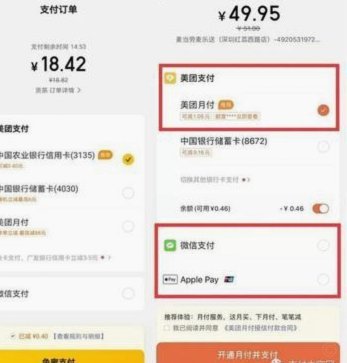
美团月付怎么用?看这篇教你购买哪些“套”更划算
美团月付作为一种新型的订阅服务模式,为用户提供了灵活便捷的服务体验。通过美团月付,用户不仅可以享受到餐饮、出行、娱乐等多方面的优惠和服务,还能根据自己的实际需求选择不同的“套”来购买。 首先,“美团...

得物盈利秘诀:多重变现之道
得物APP,这个以潮流文化为核心的品牌社区和电商平台,在短短几年间便成为了年轻人中的热门话题。其独特的商业模式不仅吸引了大量用户参与互动分享,同时也为品牌方提供了与消费者建立深度连接的机会。那么,得物...